
 info@intelligenthealthgroup.ca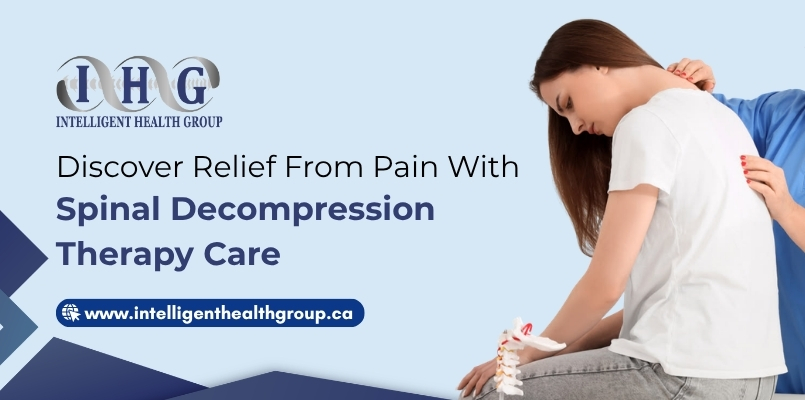
Living free of constant back discomfort is achievable with the right guidance. Intelligent Health Group offers advanced Spinal Decompression Therapy in Brampton, a gentle, non-invasive approach designed to relieve pressure on compressed nerves and discs. Under the care of Dr. Gina Bajaj, patients receive a structured recovery plan built around their specific spinal condition. Rather than masking symptoms with temporary fixes, this therapy targets the root cause of pain, allowing the body’s natural healing response to take over. Brampton residents dealing with chronic stiffness or nerve-related discomfort now have a reliable, surgery-free path toward long-term spinal health and daily comfort.
Common Sciatica Nerve Triggers
Understanding pain early makes recovery much smoother. Sciatica often develops when a nerve root becomes pinched or irritated along the lower spine, sending sharp sensations down the hip, thigh or calf. Prolonged sitting, poor posture, sudden lifting or weakened core muscles frequently contribute to this irritation. Many people mistake early sciatic discomfort for ordinary muscle fatigue, delaying proper evaluation. Left unaddressed, nerve compression can intensify, affecting mobility and sleep quality. Recognizing these triggers allows individuals to seek timely assessment before symptoms escalate into something more limiting, protecting both movement and overall well-being.
Non-Surgical Traction Treatment Advantages
Choosing a gentler recovery path often yields lasting results. Non-surgical spinal decompression works by creating controlled space between vertebrae, easing pressure on compressed discs and irritated nerves. This method avoids the extended recovery time associated with surgical procedures, allowing patients to resume normal activities sooner. Spinal Decompression Therapy in Brampton uses this same principle, applying gentle, measured traction that encourages fluid movement back into affected discs. Over multiple sessions, inflammation reduces naturally and mobility gradually improves, offering a sustainable alternative for those hoping to avoid invasive intervention altogether.
Herniated Disc Management Solutions
Recovering from disc-related pain requires a thoughtful, layered approach. A herniated disc occurs when the soft inner material pushes through its outer layer, often pressing against nearby nerves. This can cause radiating pain, weakness or stiffness depending on its location along the spine. Combining decompression therapy with supportive exercises helps reduce that pressure while strengthening surrounding muscles for better long-term stability. Every case varies in severity, which is why individualized assessment matters. A structured management plan focused on gradual improvement often produces more sustainable results than relying on temporary pain relief methods.
Choosing A Wellness Clinic
Finding the right care setting can shape the entire recovery experience. Intelligent Health Group in Brampton focuses on personalized assessment rather than generic treatment plans, ensuring each patient’s spinal condition is properly understood before beginning therapy. Dr. Gina Bajaj works closely with patients throughout their sessions, adjusting techniques based on ongoing progress and comfort levels. This attentive, individualized approach helps build confidence in the recovery process. Choosing a clinic that prioritizes thorough evaluation over quick fixes often leads to more meaningful, lasting improvement for those managing chronic spinal discomfort.
Identifying Early Warning Signs
Small changes in the body often signal larger issues developing underneath. Tingling in the toes, a dull ache after sitting or occasional weakness in one leg are common early indicators of nerve involvement. These signs may appear mild at first, easing with rest, which leads many to overlook them. However, recurring discomfort in the same pattern usually points to an underlying structural cause. Paying attention to frequency and location of symptoms helps determine whether the issue stems from muscular strain or something requiring closer spinal evaluation and professional attention.
Daily Habits Causing Stiffness
Simple daily routines shape spinal health more than most realize. Extended screen time, slouched sitting postures and inactive lifestyles gradually tighten muscles surrounding the spine, reducing flexibility over time. Carrying heavy bags unevenly or sleeping in awkward positions can also place uneven stress on spinal discs. Over months, these small habits accumulate, contributing to stiffness that feels unrelated to any single injury. Adjusting posture, taking movement breaks and maintaining a supportive sleep setup can significantly reduce strain, keeping the spine more resilient against everyday physical demands.
Spinal Decompression Therapy in Brampton
Relief becomes noticeably attainable once proper mechanics are restored. This therapy gently stretches the spine using a specialized table, reducing pressure inside the discs and improving circulation to the affected area. Patients typically lie comfortably while controlled tension is applied and released in cycles, encouraging nutrient-rich fluid to flow back into damaged tissue. Sessions are tailored based on the severity and location of nerve compression. Many individuals notice gradual improvement in flexibility and reduced discomfort as treatment progresses, supporting a steady return to normal daily function.
Reducing Leg Numbness Naturally
Numbness spreading down the leg can feel unsettling, but it often responds well to targeted care. This sensation typically results from prolonged nerve compression restricting normal signal flow. Gentle decompression combined with guided stretching helps relieve that pressure, gradually restoring sensation and circulation. Staying active with light movement, avoiding extended sitting, and following a structured treatment schedule all support faster nerve recovery. Ignoring numbness for extended periods, however, can allow underlying compression to persist. Addressing it early through proper evaluation helps prevent long-term nerve sensitivity or lingering discomfort.
Bulging Tissue Healing Steps
Healing progresses steadily when the right sequence of care is followed. The initial phase focuses on reducing inflammation and easing nerve irritation through gentle traction. As discomfort settles, targeted stretches and controlled movement gradually rebuild flexibility in the surrounding tissue. Strengthening exercises are introduced next, supporting the spine and preventing future strain on the affected disc. Consistency throughout each phase plays a significant role in recovery speed. Skipping steps or returning to strenuous activity too soon can slow progress, making a gradual, guided approach far more effective long-term.
Restoring Mobility After Injury
Regaining full movement after spinal discomfort takes patience paired with the right guidance. Early mobility work focuses on gentle range-of-motion exercises that avoid placing unnecessary strain on healing tissue. As comfort improves, low-impact strengthening gradually restores stability to the surrounding muscles supporting the spine. Consistent follow-up sessions help track progress and adjust treatment intensity accordingly. Many individuals regain confidence in movement once they notice steady improvement rather than sudden change. This gradual rebuilding process reduces the likelihood of re-injury while supporting a stronger, more resilient spine over time.
Spine Realignment Session Length
Consistency across sessions plays a meaningful role in long-term results. Most decompression sessions last between twenty and thirty minutes, allowing gradual, controlled traction without overwhelming the body. Treatment frequency depends on symptom severity, with many programs spanning several weeks for noticeable improvement. Shorter, consistent sessions tend to produce steadier progress compared to infrequent, longer visits. Tracking response after each session helps fine-tune the overall treatment timeline. Patience during this structured process supports more stable healing, reducing the likelihood of symptoms returning shortly after treatment ends.
Schedule Your Consultation Today
Taking the first step toward comfort often brings noticeable relief on its own. If persistent back or leg discomfort has been affecting daily routines, a proper evaluation can clarify the underlying cause. Intelligent Health Group in Brampton welcomes new patients seeking guidance from Dr. Gina Bajaj to begin a personalized recovery plan. Booking a consultation allows for a detailed assessment before starting any treatment. Reach out today to schedule an appointment and take a meaningful step toward lasting spinal comfort and improved daily movement.
Website | Instagram | Facebook | LinkedIn| Twitter
Address: 110 Brickyard Way Unit 10, Brampton, ON L6V 4N1, Canada
Phone: +1 647-499-1444